
The biggest mistake punters make is assuming the live stream is just a pretty picture and the rules are identical to a video game. Real croupiers move at human speed, and that pace changes how a session feels on a Tuesday night after work. When players search for play live baccarat online casino australia AUD, they usually want the feel of a table without the drive to a club in Penrith or a pub up the coast. The trick is knowing what to check before money leaves your account.
A good sign-up flow should feel like a checkout that actually works, not a maze of pop-ups and half-answers. I’ve watched enough funnels to know that a clunky first deposit kills more sessions than any bad hand ever could. If a site makes you hunt for the wagering details or hides the AUD payout path, walk on. The right setup should let you move from curiosity to a seated table without re-entering your details three times.
The Real Table Experience

Live baccarat is not a slot spin dressed up with a camera. A dealer shuffles, calls the cards, and the round closes on a schedule that feels closer to a real room than a random number generator. One quiet evening at a regional club outside Wagga, I watched a bloke track the shoe for twenty minutes before he put a single chip down. He was not chasing a miracle; he was reading the rhythm.
Players who treat the stream like background television usually lose track of their own limits. The table is live, which means decisions land while the cards are still moving, not while a banner ad is blinking. A sensible approach is to pick a table pace that matches your attention, because a fast shoe can quietly eat a bankroll before you notice the drift.
Sophie White, Head of Live Casino, Coral Coast Interactive, puts it plainly: the stream should show the shoe, the commission, and the round timer without making the player squint. Her caveat is that a glossy feed means little if the table rules shift between sessions. You want the same commission structure and the same card rules every time you sit down, not a surprise mid-session.
Checking the Table Before You Sit
A proper check takes about five minutes and saves a lot of regret later. Open the live lobby, read the table rules panel, and confirm the commission on banker wins before you deposit a cent. If the site lists a tie payout that looks generous, read the fine print on when that payout actually applies. A table that pays nine to one on a tie can still be a poor spot if the draw rules are stacked against you.
You should also confirm the minimum and maximum stakes in AUD, because a table that suits a casual session can be a bad fit for a heavier plan. Say you deposit fifty dollars and want to play for an hour; a table with a fifty-dollar minimum is not the same experience as one with a five-dollar floor. The right match is about pace, stake, and how much variance you can stomach in one sitting.
Noah Martin, Affiliate Partnerships Director, Pacific Player Protection Institute, warns that a smooth-looking lobby can hide a mismatch between the advertised table and the one you actually land on. His point is simple: verify the table name, the commission, and the round speed before you commit, because a pretty interface does not guarantee a sensible game. He also notes that a clear path to support matters more than a flashy welcome screen when something goes sideways.
Bankroll and Payday Realities
Entertainment budgets do not arrive on a tidy schedule, and most households feel that squeeze at some point in the month. A payday rhythm that lands on the 14th and the last Friday means the money for a night out often competes with bills and groceries. A live baccarat session should fit inside that leftover entertainment cash, not borrow from the next rent payment.
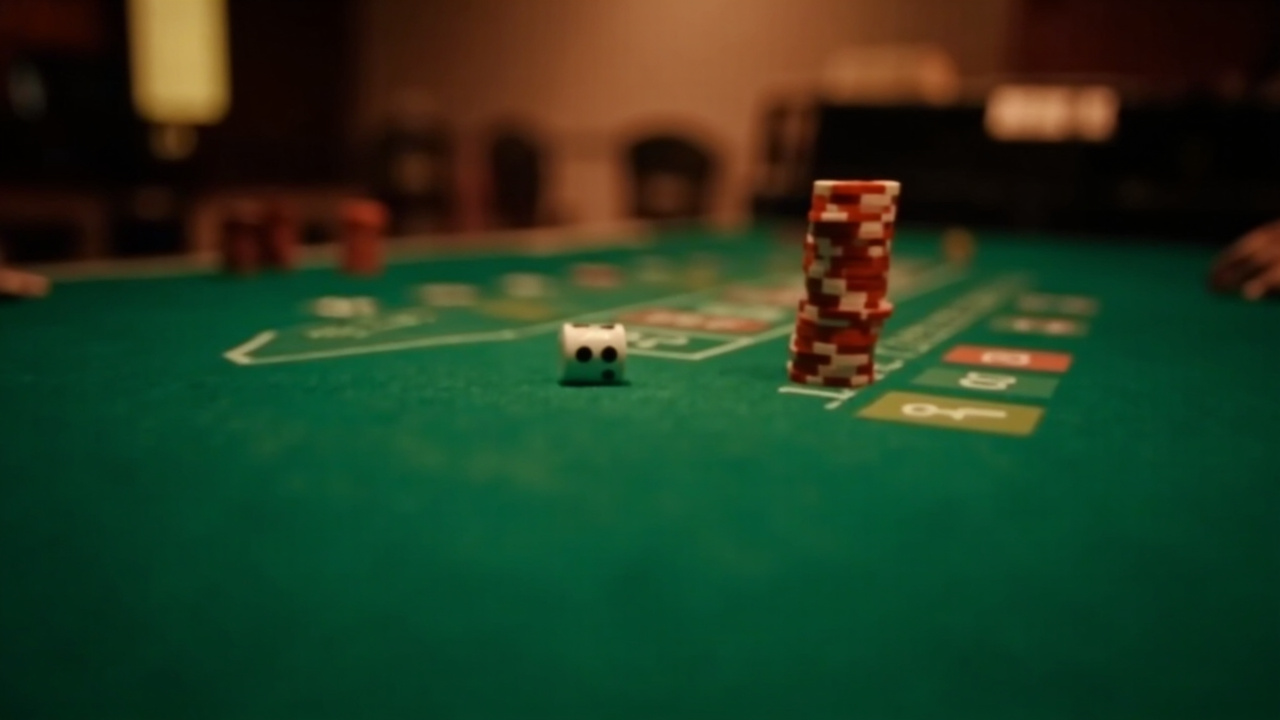
A practical limit is to decide the session cost before you open the lobby, then treat that figure like a ticket you already spent. If you plan to spend two hours at a table, set a stop point that is lower than your total deposit, because chasing a down session is how a quiet night turns into a bad week. The goal is to leave with your evening intact, not to extract a miracle from a shoe.
Harrison Foster, Chief Financial Officer, Top End Gaming Advisory, frames it as a budget question first and a game question second. He suggests that players think in terms of a fixed entertainment cost per session, not a target win, because the house edge does not care about your mood or your rent date. His caveat is that a bankroll plan only works if it is written down before the first card drops, not after you have already lost half of it.
Speed, Limits, and the Right Table
Not every live table suits every player, and the difference is often in the pace rather than the rules. A crowded table with a fast shoe can feel exciting for a few minutes and exhausting after a while, while a slower table gives you room to think between rounds. If you like to track results and adjust your stake, a measured pace is usually the better fit.
Limits matter just as much as speed, because a table that maxes out too low can feel restrictive and a table that starts too high can feel reckless. A sensible middle ground is a table where your typical bet sits comfortably between the minimum and the maximum, so you are not constantly bumping against a wall. That balance keeps the session readable instead of frantic.
For a different kind of spin on pace and payout, you can compare the rhythm of a live table with a video slot like the one at https://fishin-frenzy-slot-au.com, where the rounds land on a timer rather than a croupier’s hand. The contrast is useful because it shows how much of your session is about speed, attention, and decision timing rather than just the game itself.
Where the Money Actually Goes
The money path matters because AUD deposits and withdrawals should be straightforward, not a puzzle with three gates and a waiting room. A clean setup shows the deposit method, the expected processing window, and any limits before you fund the account. If the site talks in vague terms about timing, assume the withdrawal will take longer than the marketing implies.
A sensible habit is to test the flow with a small amount first, then watch how the balance moves before you commit a larger session bankroll. That way you know whether the account handles AUD cleanly and whether the payout path matches what you expected. It is not glamorous, but it is the kind of check that stops a small annoyance from becoming a bigger one.
If you want a second view on how these accounts are presented to players, the team at https://nit.com.au/ has written about the way payment paths and table access are bundled together. Their angle is useful because it separates the marketing surface from the actual account mechanics, which is where most players get caught out.
The Questions Worth Asking
A short exchange at a regional pub outside Coffs Harbour summed up the usual confusion. One player asked whether the live table was just a video feed with no real dealer, and the other replied that the dealer was real but the rules still needed checking. The first bloke then asked how to tell a good table from a bad one, and the second said to look at the commission, the round speed, and the stake limits before anything на главной странице сайта else.
That exchange is the whole point, because the questions that matter are practical and boring and they decide whether a session is enjoyable or expensive. Ask what the banker commission is, how fast the shoe moves, and what happens to a tie bet before you put money in. Those answers tell you more than a polished homepage ever will.
Choose a table that matches your pace, set a session limit that respects your entertainment budget, and confirm the AUD path before you sit down. If the table checks out and the flow is clean, you can settle in for a proper game instead of a guessing exercise. If it does not, there is no shortage of other tables, and walking away is a better result than forcing a bad fit.