
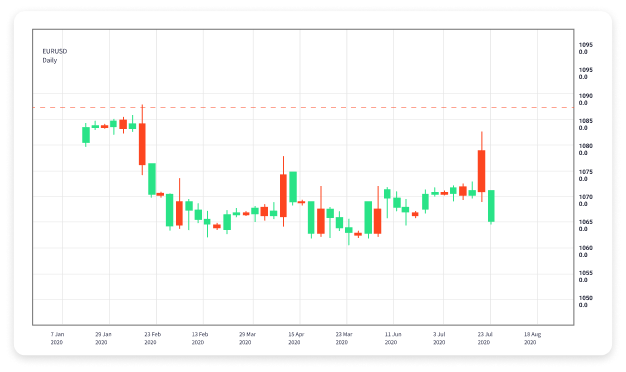
Forex trading is a global endeavor, taking place 24 hours a day, five days a week. The forex market is divided into several sessions, each with its own unique characteristics and trading volumes. To successfully navigate this vast market, understanding forex trading times is critical. Local time zones and market overlap can greatly influence a trader’s approach. As you delve deeper into forex trading, consider partnering with forex trading times Pakistan Brokers for valuable insights and services.
1. The Structure of the Forex Market
The forex market operates through a network of banks, brokers, and financial institutions, making it accessible worldwide. The market is divided into four major trading sessions: the Sydney session, the Tokyo session, the London session, and the New York session. Each session corresponds to prominent financial centers around the globe, opening and closing at intervals that are influenced by local times.
2. Major Forex Trading Sessions
2.1. The Sydney Session
The Sydney session marks the opening of the forex market each week. It begins at 10 PM GMT on Sunday and closes at 7 AM GMT on Monday. Trading during this session tends to be slower, as many traders are still inactive. However, it is crucial for conducting business with Australasian countries and provides liquidity for pairs involving the Australian and New Zealand dollars.
2.2. The Tokyo Session
The Tokyo session opens at 12 AM GMT and lasts until 9 AM GMT. This session experiences a modest level of trading, primarily driven by Asian market participants. The Japanese yen is often the focus during this time, affecting pairs like USD/JPY and AUD/JPY. Traders should be aware that this session may also present volatility due to important economic data releases from Japan.
2.3. The London Session
The London session opens at 8 AM GMT and closes at 5 PM GMT. It is one of the most active trading sessions, often considered the heart of the forex market. A significant volume of trades occurs during this timeframe, impacting major currency pairs like EUR/USD, GBP/USD, and USD/CHF. Many traders prefer to focus on this session due to the high liquidity and overlapping hours with both the Sydney and New York sessions.
2.4. The New York Session
The New York session overlaps with the London session, opening at 1 PM GMT and closing at 10 PM GMT. It is known for its high volatility, particularly during economic news releases from the U.S. As most of the major financial institutions operate in this session, pairs involving the U.S. dollar (USD) often experience significant price movements. Thus, savvy traders analyze key news events during these hours to capitalize on potential market shifts.
3. The Importance of Session Overlaps
Understanding session overlaps is vital for forex traders looking to maximize their trading opportunities. The most notable overlaps occur between the London and Tokyo sessions, as well as the London and New York sessions.
3.1. London and Tokyo Overlap
The overlap between the London and Tokyo sessions occurs from 8 AM GMT to 9 AM GMT. During this hour, traders can benefit from both Asian and European market actions, making it a potentially lucrative time to trade currency pairs influenced by these regions.
3.2. London and New York Overlap
The London-New York overlap, which takes place from 1 PM GMT to 5 PM GMT, is without a doubt the most active trading period. During this time, traders witness high volatility and rapid price movements across major currency pairs. Economic data releases from the U.S., combined with the actions of European traders, create a dynamic trading environment.
4. Choosing the Right Trading Time
Choosing the right time to trade in the forex market can significantly impact profitability. Factors to consider include:
- Market Liquidity: Higher liquidity usually means tighter spreads and more predictable price movements, making it a favorable time to trade.
- Volatility: While volatility can create trading opportunities, it can also increase risk. It’s essential to determine your risk tolerance and plan accordingly.
- Economic Releases: Major news events and economic releases can lead to significant price swings. Being aware of the economic calendar can help traders make timely decisions.
- Your Trading Strategy: Different trading strategies may be more suited to different times of the day. Scalpers prefer volatile periods, while long-term traders may focus on less active times.
5. Conclusion
Understanding forex trading times is key to developing a successful trading strategy. By familiarizing yourself with the various market sessions and their characteristics, you can make informed decisions on when to enter and exit trades. Make sure to take into account session overlaps and the resulting volatility that arises from them.
As the forex market continues to evolve, staying aware of trading times and strategies will better equip you to navigate this dynamic landscape. Educate yourself, adapt as necessary, and always stay updated on market trends and economic conditions that could impact your trading opportunities.